


1. INTRODUCTION
2. SPACE SECURITY AI TECHNOLOGIES
2.1. Threats and Opportunities in Space Security
2.2. Application Areas of Space AI Technologies in Space Security
3. CURRENT STATUS OF SPACE AI POLICIES
3.1. United States Space AI Policy
3.2. China’s Space AI Policy
3.3. European Space AI Policy
3.4. Japan’s Space AI Policy
3.5. E. South Korea’s Space AI Policy
4. CURRENT STATUS OF AI TECHNOLOGIES IN THE SPACE SECURITY INDUSTRY
4.1. Space AI Industry
4.2. Technologies of Major Space AI Companies
4.3. Major Space AI Technologies in South Korea
4.4. Space AI Technology
5. AI-DRIVEN ADVANCEMENTS IN SPACE SECURITY APPLICATIONS
5.1. GEOINT
5.2 MAVEN
6. REALIZATION OF SPACE SECURITY AI TECHNOLOGIES
6.1. Policy Direction of South Korea
6.2. Realization Plan for South Korea
6.3. Considerations for the Application of Space Security AI Technologies in South Korea
7. CONCLUSION
1. INTRODUCTION
Over the past decade, following the entry into the New Space era [1], characterized by the combination of miniaturization technologies and new business models that enhance accessibility to space, the demand for space-related technologies has surged, and the volume of space data has reached levels that make them difficult to process in real-time on Earth. Amid the dynamic changes of the Fourth Industrial Revolution, artificial intelligence (AI), a key driver, has emerged as an essential technology to address current challenges. Both the space and AI sectors are advancing at an unprecedented pace, with AI considered a key opportunity for bringing transformative changes, particularly in the field of space security.
In the New Space era, private companies’ belief in and investment toward profiting from space have led to the launch of satellite constellations ranging from low-cost light weight satellites to medium-cost medium-sized satellites. This has resulted in increased space activity near Earth. Currently, there are 9,900 active satellites in various Earth orbits [2]. By the end of this decade, the number of active satellites could reach as many as 50,000, most in Low-Earth Orbit (LEO) [3], with NASA’s Earth science data alone projected to reach 250 petabytes by 2025 [4]. In South Korea, besides government-led satellite initiatives, the number of satellites launched by local governments and private entities is expected to reach 140 within six years according to a survey of Korea Aerospace Research Institute. The growth is particularly steep due to the activities of private companies like the U.S.-based Starlink, which provides communication services through 6,994 laser communication satellites as of Jan. 30, 2025 [5], and China’s Chang Guang Satellite Technology Co., which operates 117 laser communication satellites for direct ground communication [6]. This rapid increase in satellites heightens the potential for spatial collisions and further complicates the space environment around Earth.
Beyond Earth’s orbit, lunar exploration and habitation plans led by major powers are accelerating space activities between Earth and the Moon. The U.S. space agency NASA has set a rapid technology deployment strategy, reducing the application period for space technologies to nine months, a pace comparable to the development of mobile devices in the electronics industry [7]. This rapid technology adoption is expanding space infrastructure, which will serve as a foundation for various space activities such as space factories near Earth, spacecraft location services, and communication networks.
As a result, the importance of space collision prevention and space environment management is being increasingly recognized. These changes indicate a need for new technological measures to ensure safety and national security along with expectations for improved efficiency in space activities.
The rapid increase in space assets is not limited to quantitative growth but also drives the demand for technologies to protect these assets and address emerging threats. This situation highlights the necessity of securing space security and technological capabilities, requiring strategic approaches.
At this point, the global space AI industry for national security is experiencing an exponential growth due to massive investments. As shown in Table 1, key factors contributing to the increased amount of investment include the economic growth of China and India and the rise in space exploration and defense budgets worldwide. This global shift is expected to drive overall advancements in the space industry, playing a critical role in future space exploration, resource utilization, and space environment management, with a strong emphasis on space security.
TABLE 1.
Hidden Driving Forces Behind the Recent Rapid Growth of the Space AI Industry [8]
This study categorizes AI technologies for space applications and analyzes their security threats and opportunities. It assesses South Korea’s space AI capabilities compared to global standards and examines current technological limitations.
Strategies to enhance space security through AI is proposed using case studies and policy analysis to support sustainable development. It also provides policy recommendations to strengthen South Korea’s space security technologies and national security.
2. SPACE SECURITY AI TECHNOLOGIES
2.1. Threats and Opportunities in Space Security
Space security is a comprehensive concept aimed at ensuring a safe and peaceful use of outer space, protecting space assets (such as satellites, space stations, spacecraft, and exploration vehicles), and maintaining the sustainability of the space environment. It encompasses not only the military activities but also the protection and safety of all space activities, including those carried out by civilian, commercial, and scientific entities. The scope of national security extends beyond terrestrial territories to include various domains (such as maritime, airspace, and cyberspace), with space security specifically focusing on the protection of space environments and orbital assets.
Recent space activities that have direct and indirect implications for space security are summarized in Table 2, while direct security threats can be categorized as shown in Table 3.
TABLE 2.
Recent Issues in Space Activities
TABLE 3.
Major Threat Factors in Space Security and the Necessity of Response
Meanwhile, AI technology is considered a key enabler in the space industry, maximizing efficiency, safety, and commercial potential, with numerous application experiments currently underway. AI now plays an essential role in protecting space assets, ensuring military superiority, and creating emerging space markets, contributing to the sustainable growth of the space industry and the enhancement of security.
As a tool for strengthening space security, AI technologies maximize the efficiency of autonomous operations and data analysis for space assets. They have the potential to foster development across the entire space industry through international collaboration. The application of AI in the field of space security is expected to become a crucial foundation for maximizing future space security and economic opportunities.
Table 4 summarizes the opportunity factors within the space security industry that can be obtained through the application of AI technologies. Beyond traditional military applications, it highlights the potential for capturing future commercial and economic opportunities. Additionally, it shows the contribution AI can make toward global security in the context of climate change.
TABLE 4.
Opportunity Factors in AI-Based Space Security Industry
2.2. Application Areas of Space AI Technologies in Space Security
The introduction of AI technologies is causing the the space security industry to diversify and expand, offering significant potential benefits across various fields. AI is expected to play a crucial support role in detecting and responding to threats, enabling the automation of defense systems against cyberattacks, satellite hacking, and radio frequency interference.
Additionally, AI will enhance the autonomy of space asset management and operations, contributing to the protection of the space environment through improved space situational awareness (SSA) and space debris monitoring. AI is also expected to play an important role in safeguarding space-based communication networks, preventing satellite collisions, and managing satellite lifespans.
Geospatial data analysis involves processing large-scale satellite data across various geospatial coordinate systems to extract meaningful insights. This process enables real-time analysis, facilitating timely and informed decision-making in critical applications. Advanced computational techniques and AI-driven models are employed to enhance the accuracy and efficiency of data interpretation.
The integration of real-time geospatial analysis supports strategic decision-making in sectors such as national security, environmental monitoring, and urban planning. By leveraging cutting-edge technologies, geospatial data analysis plays a crucial role in optimizing resource management and policy development.
Space Traffic Management (STM) tracks and regulates satellites, space debris, and spacecraft to prevent collisions and ensure the sustainability of the space environment. As satellite launches and commercial activities in low-Earth orbit (LEO) increase, AI-driven technologies enhance STM by analyzing real-time orbital data for precise tracking, orbit prediction, and risk identification. These AI-based systems enable automated collision avoidance and trajectory adjustments, contributing to the long-term safety and stability of space operations.
Recent large-scale AI models, which perform well when provided with massive datasets, is capable of rapidly detecting security-related threats in data-rich environments. This capability enables decision-makers to receive real-time support for effective responses (Table 5).
TABLE 5.
3. CURRENT STATUS OF SPACE AI POLICIES
3.1. United States Space AI Policy
NASA, as a federal agency under the direct jurisdiction of the U.S. President, must adhere to executive orders and federal guidelines regarding AI research and development. These guidelines are shaped by overarching AI policies that federal agencies are required to follow (Fig. 1).
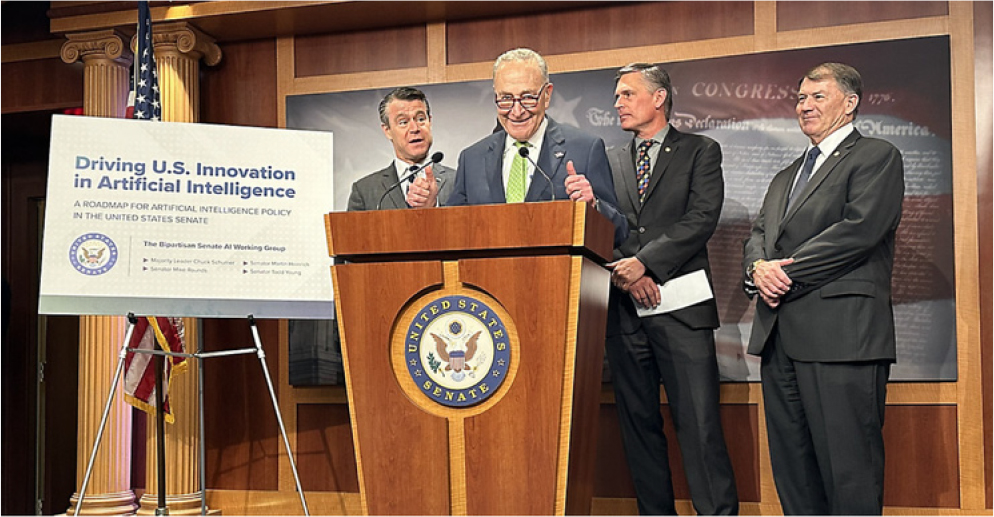
FIG. 1.
U.S. Senate Majority Leader Chuck Schumer and three of his colleagues announced the release of an AI report [11].
NASA’s core AI policy emphasizes the expansion of AI and machine learning applications while ensuring that governance and safeguards are in place to protect public interests. NASA identifies, captures, documents, and publicly shares all AI use cases in aerospace fields, maintaining a focus on the perspective of end users rather than developers. These use cases span mission planning and operations, anomaly detection and avoidance, risk detection and avoidance, vehicle navigation, human-system interfaces, weather prediction, data communication and management, crew/system health management, testing and verification, reliability, materials discovery, and in-situ resource utilization (ISRU). Among the approximately 75 AI use cases at NASA, the majority focus on analyzing petabytes of data collected from spacecraft in various fields.
NASA implements a tiered approach by dedicating greater oversight to more critical and mature AI projects, while providing initial guidance for low-risk, early-stage, and incubated projects. To enhance AI governance, NASA recently began reviewing safety and rights-related considerations that impact its AI use case evaluations and exemption procedures, along with monitoring overall AI risk mitigation practices.
Additionally, NASA is actively working to ensure continued success by promoting responsible AI usage and removing barriers to AI innovation. This includes refining governance frameworks and fostering the sustainable advancement of AI across its missions and projects (Table 6).
TABLE 6.
NASA’s Space AI Strategy [12]
3.2. China’s Space AI Policy
China’s AI policy is driven by a state-centered approach, with a medium- and long-term development plan established in three phases until 2030. For the 2021-2025 period, China has planned investments budgets to approximately $1.343 trillion USD [13].
Through the AI+ initiative, China is promoting innovation by applying AI technologies across various industries. According to the plan announced in March 2024, the focus is on accelerating the digital transformation of manufacturing and leveraging data development to enhance competitiveness in the sector. The integration of AI with physical payment systems is also being explored to create new opportunities.
The Shanghai AI+ Action Plan, announced in July 2024, outlines the establishment of data-sharing platforms and AI learning infrastructure. To support these efforts, Shanghai has set up a fund worth approximately of 15.01 billion USD to finance various AI technology development projects (Fig. 2).

China is establishing various regulations and legal standards to ensure the ethical and safe application of AI technology. First, it has developed AI ethics guidelines that emphasize fairness, transparency, and accountability in AI applications, and is actively promoting research on AI safety and risk management.
The Data Security Law, which took effect in September 2021, strengthens security management across the processes of data collection, storage, processing, and transmission, with strict regulations on the transfer of data overseas. Similarly, the Personal Information Protection Law, enforced in November 2021, protects individual privacy and clearly regulates corporate practices concerning the collection and use of personal data.
In July 2023, AI ethics and regulations were further strengthened through the implementation of governance measures for generative AI services. These regulations encompass data source management, privacy protection, and content oversight, requiring explicit disclosure of generative AI usage. Additionally, under the supervision of regulatory authorities, algorithmic transparency is mandated to ensure accountability in AI technologies.
The Chinese government is actively integrating AI technology into the space industry to drive innovation. AI is being applied in various fields, including satellite data analysis, autonomous operations of space exploration robots, and mission planning optimization. These applications improve the efficiency and accuracy of space exploration while accelerating the development of new space technologies.
To support AI-driven innovation in the space sector, China is focusing on building infrastructure for AI research and development and nurturing talent. This includes establishing AI research institutes, strengthening university-industry collaborations, and developing AI training programs to promote the application of AI technologies in the space industry.
3.3. European Space AI Policy
The European Union (EU) is formalizing comprehensive AI regulations through legislative measures, with the corresponding law taking effect in August 2024 and set to be fully implemented by August 2026.
For high-risk AI systems, the law mandates ensuring data quality and relevance while minimizing data bias. Additionally, it requires developers to submit reports on the design, development, and testing processes of AI systems to regulatory authorities, thereby reinforcing accountability.
These measures aim to ensure the responsible deployment of AI in the space sector, where the use of AI application is increasing on autonomous satellite operations, space traffic management, and Earth observation data processing. The EU’s regulatory framework not only focuses on safety and transparency but also seeks to foster innovation while mitigating risks associated with AI in critical applications (Fig. 3).

The EU, through this strategy, aims to develop AI technologies in a safe and ethical manner, providing fair and inclusive benefits across society. In 2022, ESA Discovery funded 12 projects exploring the application of the latest developments in AI and advanced computing paradigms to make satellites more responsive, agile, and autonomous [16]. These 12 projects were selected through the Open Space Innovation Platform’s “Space Cognitive Cloud Computing” call for ideas.
Among the selected research topics were studies on how AI-enabled satellites can directly improve life on Earth by more effectively detecting methane leaks and managing space-related disasters. Another project focused on using AI to enable lunar exploration missions to autonomously and sustainably perform their tasks.
The European Space Agency (ESA) is moving away from the traditional one-time model development and application approach and transitioning to an adaptive process based on big data-driven continuous learning to improve models. Given that model performance is highly dependent on the quality of input data, ESA has established a circular process that refines and improves input data based on inference results.
This approach automatically processes large volumes of Earth observation data into meaningful information and continuously enhances itself through a positive feedback loop between data and models, making the system scalable and increasingly sophisticated over time.
To apply AI technologies to Earth observation data, ESA is focusing on addressing the following key challenges (Fig. 4):
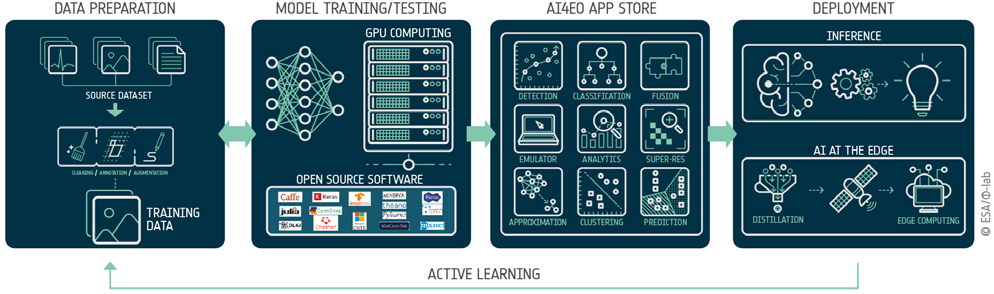
FIG. 4.
Big Data-Driven Adaptive Earth Observation Model Enhancement by the European Space Agency (ESA) [17].
3.3.1. Scalable Big Data Analysis
By integrating various observation data types, such as optical, hyperspectral, and SAR (Synthetic Aperture Radar), critical information can be extracted, enhancing Earth observation capabilities. AI-based analytical techniques are employed to discover meaningful patterns within large-scale datasets, improving the accuracy and effectiveness of environmental monitoring and resource management.
3.3.2. Explainable and Trustworthy AI
Develops AI systems that ensure transparency in the decision-making process by quantifying algorithm uncertainty. These systems are designed to withstand adversarial attacks, providing high reliability and enhancing trust in AI applications across critical domains.
3.3.3. Physics-Based AI
Combines established physical laws with statistical AI methods to develop more accurate and reliable models. AI algorithms that incorporate physical constraints improve prediction precision, ensuring consistency with real-world behavior and delivering robust and dependable outcomes.
3.3.4. Self-Learning AI
Focuses on developing unsupervised learning techniques which allow models to learn directly from data without the need for labeled datasets. Transfer learning is also utilized to create adaptable AI models that can be applied across various domains, enhancing flexibility and scalability.
3.3.5. Digital Twin Earth Model
Develops AI-based observation data fusion and prediction technologies to build a digital twin model of Earth. This model supports decision-making through high-resolution modeling and forecasting while estimating the transfer functions of Earth systems affected by human activities, enabling accurate predictions and resource management.
3.3.6. Policies to Promote Autonomous Satellite Operations
The European Space Agency (ESA) is actively developing AI-powered autonomous satellite operation technologies and expanding policy support to maximize operational efficiency. This includes investments and initiatives aimed at enhancing satellite autonomy for improved mission performance and reduced operational costs.
3.4. Japan’s Space AI Policy
Japan regards AI as a key tool for addressing national challenges and has established a comprehensive strategy to advance AI development. Alongside this strategy, Japan is promoting industrial support policies focused on securing digital infrastructure, such as semiconductors, and encouraging AI adoption.
The Japanese AI industry is expected to grow to approximately 1.1 trillion yen by 2027, with government support driving advancements in industry-specific AI software and services. Key sectors with high growth potential include manufacturing, construction and logistics, telecommunications, and healthcare, where AI applications are projected to play a significant role (Table 7).
TABLE 7.
Major Issues and Japan’s AI-Related Policies by Year
Japan revised and supplemented its 2017 AI Technology Strategy and subsequent annual AI strategies, presenting expanded strategic objectives such as “responding to large-scale disasters” and “social demonstrations.” As part of this effort, Japan established the AI Strategy Meeting (Expert Committee) under the Cabinet Office, and an AI Strategy Team, led by the Prime Minister’s advisor, to coordinate efforts among relevant ministries. These groups discuss policy-specific tasks and potential risks associated with improving AI performance and establish corresponding guidelines [18].
Despite Japan’s comprehensive government-wide AI strategy, JAXA (Japan Aerospace Exploration Agency) does not follow the same pattern as the U.S. government-NASA collaboration, and no specific AI utilization plans or guidelines are easily identifiable. However, AI adoption is increasing across various research areas such as Earth observation and space exploration, and JAXA is actively engaged in AI-focused joint research projects through collaborations with other institutions and international organizations.
JAXA’s Earth Observation Research Center (EORC) has been operating the Earth Observation Research Announcement (EO-RA) program since 2015, supporting algorithm development, calibration, and validation methods for Earth observation satellites. In 2018, EO-RA2 officially introduced AI applications, marking a significant step in integrating AI into satellite-related research [19].
Subsequent announcements, such as EO-RA3 and EO-RA4, emphasized multidisciplinary research that combines satellite data with numerical models, AI technology, big data, and geospatial information to encourage diverse research initiatives. These projects reflect JAXA’s strategic view of AI as a critical element for promoting industrial development through satellite applications.
Additionally, JAXA is working to standardize safety assessment processes for rapidly expanding AI systems across various fields and industries. To enhance computational performance, JAXA introduced DDN’s NVMe storage to accelerate one of Japan’s largest parallel file system-based high-performance computing (HPC) systems. This infrastructure supports complex AI-driven analyses and research activities within Japan’s evolving space exploration landscape (Fig. 5).
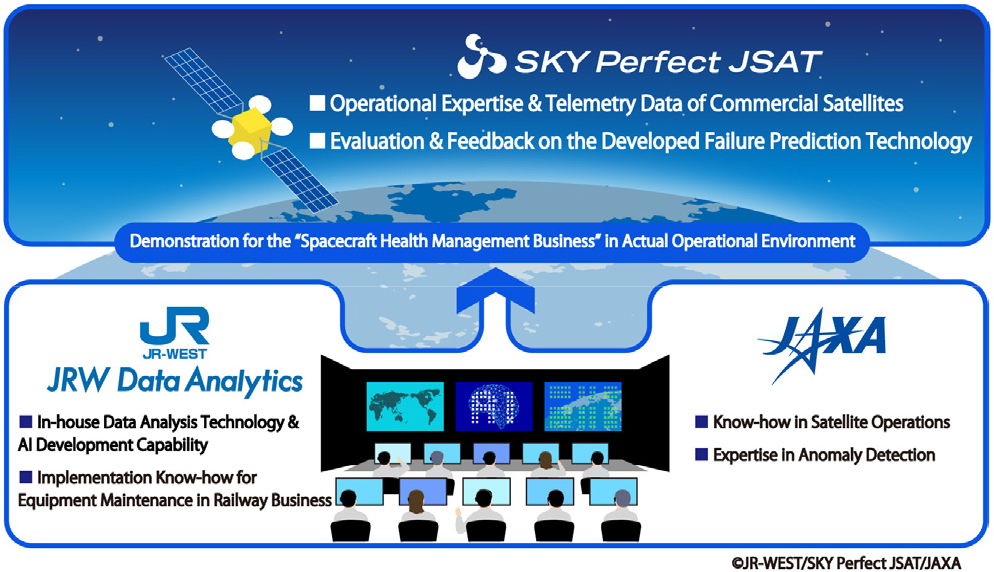
In 2024, JAXA, SKY Perfect JSAT, and JR-West initiated a collaboration to apply AI-based railway equipment failure prediction technology to spacecraft maintenance. JAXA aims to contribute to enhancing the quality and efficiency of future satellite operations by providing expertise in satellite management and anomaly detection, thereby gaining valuable insights for operational improvements.
SKY Perfect JSAT shares its knowledge and expertise gained as a satellite operator, along with telemetry data from its own satellites. It also provides evaluations and feedback on failure prediction technologies developed for operational satellites.
JR-West applies its proprietary AI and data analysis organization, originally used for predicting failures in automatic ticket gates and other railway systems, to this collaborative effort.
Ultimately, leveraging JAXA’s and SKY Perfect JSAT’s combined expertise in AI development and implementation, the collaboration aims to design and build AI-based anomaly detection systems specifically for spacecraft. This AI system is expected to significantly improve the reliability and operational efficiency of satellite and spacecraft maintenance.
3.5. E. South Korea’s Space AI Policy
South Korean government has been making various efforts to advance AI technologies and implement strategic policy responses. Under the Moon Jae-in administration, the Fourth Industrial Revolution Committee was established to lead AI-related policy initiatives. As part of its efforts to guide the development and application of AI in a responsible manner, the government introduced the AI Ethics Standards in 2020, emphasizing human-centered ethical principles.
South Korea is actively pursuing a variety of plans aimed at strengthening its national competitiveness in the field of generative AI.
In April 2023, the government announced the Hyper-Scale AI Competitiveness Enhancement Plan. This initiative focuses on expanding core infrastructure for hyper-scale AI technologies and industries, fostering an AI ecosystem, and implementing policies and cultural measures to promote nationwide AI innovation.
In September 2023, South Korea introduced the Hyper-Scale AI Leap Plan, aiming to create an environment where all citizens can integrate AI into their daily lives, strengthen the country’s AI industry competitiveness, and promote global collaboration. The plan also included measures to establish a new digital order to support the nation’s AI advancements.
In April 2024, the government announced the National AI Project Plan for citizens, industries, and the public sector. The plan focuses on increasing AI utilization across the nation and enhancing its tangible impact on citizens’ lives. Under this plan, a budget of 710.2 billion KRW has been allocated for 2024 to implement 69 projects across various sectors.
In September 2024, South Korea set its National AI Strategic Policy Direction, with the goal of becoming one of the world’s top three AI powerhouses (AI G3). The strategy outlines four major AI platform projects and four key policy areas that will guide South Korea’s push to establish itself as a global AI hub, fostering technological innovation and international leadership in the AI domain (Fig. 6).
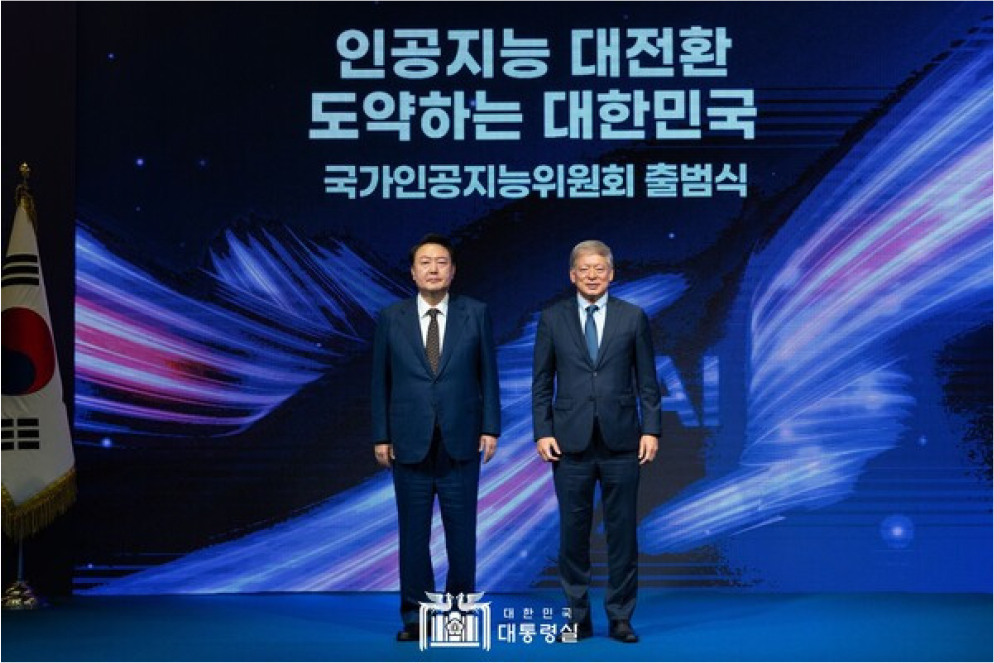
Under the Yoon Suk-yeol administration, the AI-Semiconductor Initiative (2024) was announced, and in September 2024, the Presidential National AI Committee was established. The committee aims to elevate South Korea into the world’s top three AI powerhouses (AI G3) by driving technological innovation across the AI value chain, which includes AI models, AI semiconductors, and services.
The initiative outlines four major AI platform projects and four key policy areas aimed at establishing South Korea as a global AI hub. Additionally, the government announced the National AI Strategic Policy Direction, providing a framework for South Korea’s National AI Strategy. This strategic plan emphasizes technological advancements while ensuring moral and social responsibility through the passage of the AI Framework Act by the National Assembly.
In May 2024, the Korean Aerospace Administration (KASA) was established, forming a dedicated organization for the aerospace industry. However, AI-related policy work in the aerospace field has not yet been fully developed. As KASA completes its organizational structure, it is expected to formulate a road-map and to promote the application of AI technologies in aerospace, including satellite operations, space exploration, and aviation (Fig. 7).

KARI (Korea Aerospace Research Institute), as a specialized space organization, established its AI Research Lab in 2018 to focus on AI research specifically for the aerospace sector. However, since 2021, the AI-related department has been dissolved, and research activities have become fragmented, being dispersed across various departments and proceeding in a decentralized manner.
Aerospace companies have established dedicated organizations and infrastructure to actively develop AI technologies and apply them within the aerospace sector. Major players include LIG Nex1 with its AI Research Institute, Korea Aerospace Industries (KAI) with its AI and Avionics Research Center, and Korean Air with its Future Technology Development Center, all of which are driving innovation and expanding AI applications in various aerospace activities. Additionally, startups specializing in space AI, such as NARASPACE, TelePix, AI Factory, SIA, and Hancom InSpace, are actively contributing to innovation in the field. This trend highlights the growing importance of AI technologies in the aerospace sector and reflects the industry’s ongoing efforts to expand the development and application of AI in various aerospace activities.
4. CURRENT STATUS OF AI TECHNOLOGIES IN THE SPACE SECURITY INDUSTRY
4.1. Space AI Industry
As of 2023, the global space AI industry is valued at 5.1 trillion KRW and is expected to experience a rapid rate of growth, reaching 21 trillion KRW by 2028. The projected annual growth rate of nearly 33% in the AI sector within the space industry is primarily driven by several factors: the increase in commercial space activities, growing demand for autonomous systems, and the expansion of government support, including defense spending and funding for space-related AI projects.
With this growth, the space industry is expected to see high growth potential across various types, users, and applications. Among these, rovers accounted for 34.56% of the space market share in 2023, representing the largest portion, and are projected to grow rapidly with a compound annual growth rate (CAGR) of 37.44% between 2023 and 2028. This reflects the growing need for AI autonomous intelligence technologies to replace or assist in dangerous remote space missions [8].
On the user side, the government sector still holds the largest market share at 59.64% in 2023, but the commercial sector is also growing rapidly, with an expected growth rate of 34% between 2023 and 2028. By application, the robotics (30.65%) and data analytics (40.46%) sectors are leading the market. In the robotics sector, AI-based robotic systems are actively used for spacecraft maintenance, planetary exploration, and space debris management. Particularly, the data analytics sector is expected to grow the fastest between 2023 and 2028 as it contributes to scientific discoveries and mission optimization by processing and analyzing large-scale space data. Remote sensing and monitoring focus on environmental monitoring and atmospheric observation through AI and are being rapidly applied to satellite-based information analysis.
Additionally, AI technologies are being applied across various fields, including asteroid mining, manned spacecraft and reusable launch vehicles, and satellite communications. Active research and development are also underway in specialized areas such as remote mission execution and spacecraft health monitoring, leveraging generative AI technologies (Fig. 8).
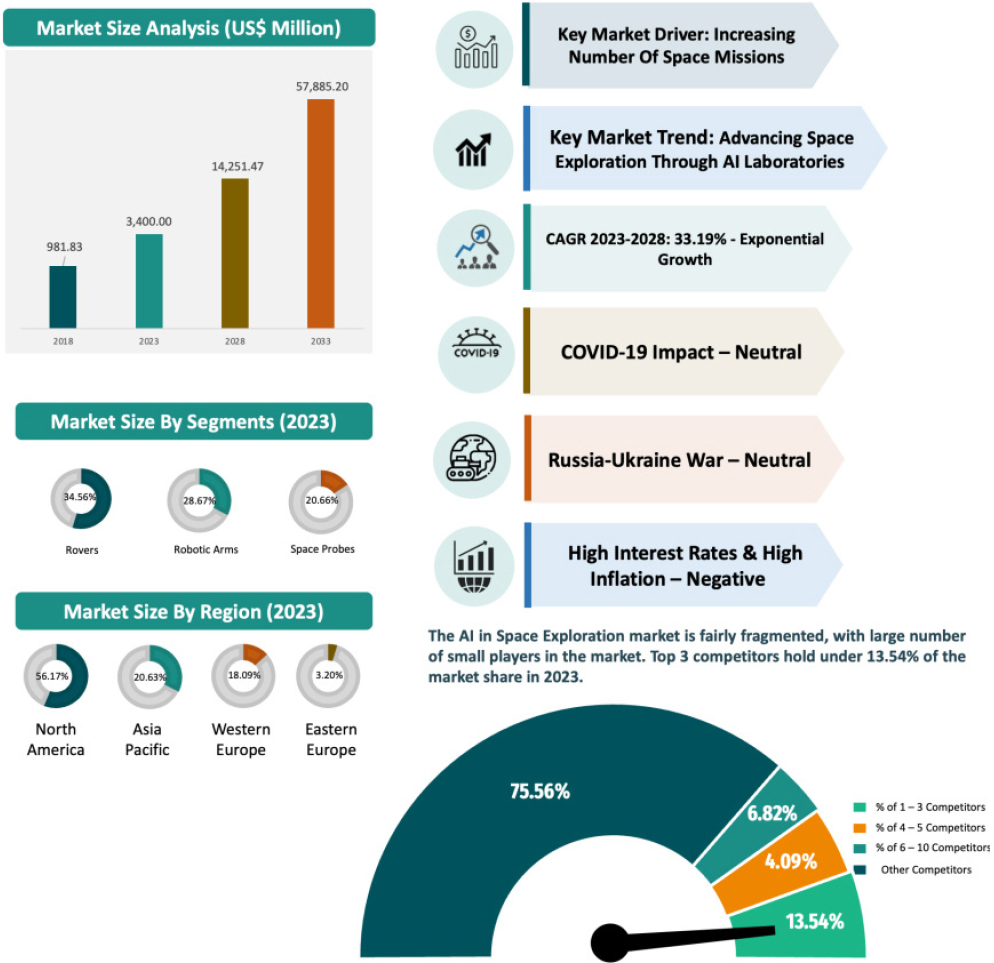
As of 2023, North America, led by the United States, dominates the space AI market with a 56.17% share, while the Asia-Pacific and South American regions are emerging as the fastest-growing markets. Major global players in this sector include SpaceX (5.63% market share), Northrop Grumman (5.13%), and Lockheed Martin (2.78%). The top 10 companies collectively control 24.4% of the market, reflecting a competitive and concentrated landscape driven by key industry leaders.
4.2. Technologies of Major Space AI Companies
4.2.1. [U.S.] Booz Allen Hamilton Holding Corporation
・ AI Technology Characteristics: As of mid-July 2024, a large language model (LLM), a representative form of generative AI, has been experimentally deployed on the computer system of the International Space Station (ISS). This system integrates Retrieval-Augmented Generation (RAG) technology to enhance information retrieval and generation capabilities.
・ Purpose of the Experiment: The experiment aims to assess the feasibility of using AI assistance for astronauts, allowing them to quickly find answers to questions related to the repair and maintenance of onboard mechanical equipment.
・ Significance of the Experiment: This deployment highlights the potential of AI in isolated space environments, enabling the handling of complex problems and the autonomous retrieval of essential information without relying on Earth-based support (Table 8, Fig. 9).
TABLE 8.
Top 10 Companies in the Space AI Industry and Their Market Share
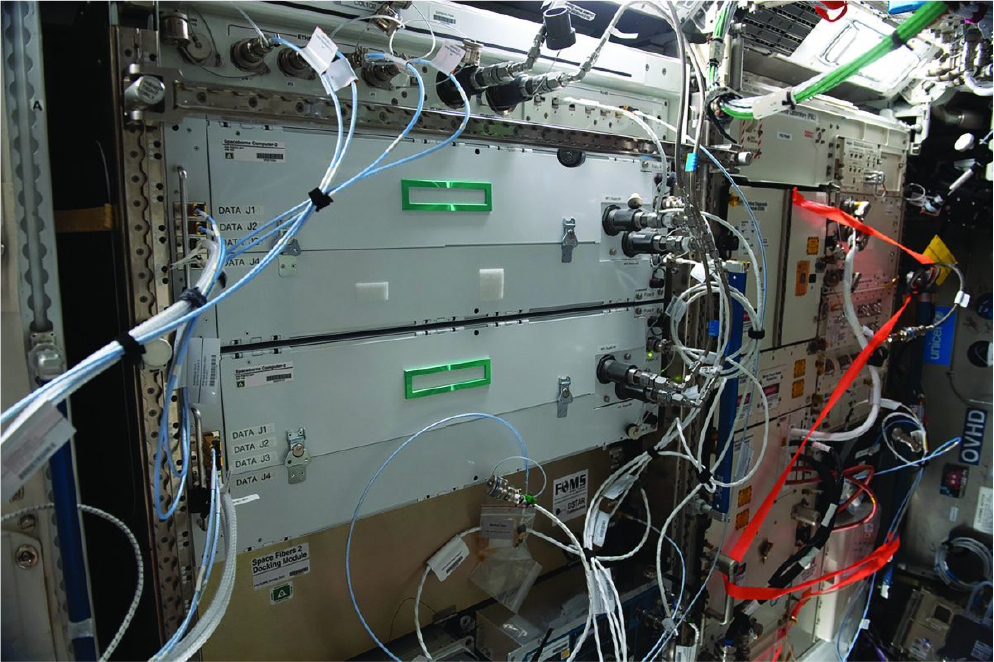
FIG. 9.
Edge computer mounted inside the International Space Station (ISS)(Spaceborne Computer-2) [23].
4.2.2. [Netherlands] Airbus SE
・ AI Technology Characteristics and Purpose: Airbus SE utilizes Neuromorphic AI to analyze real-time environmental data and optimize decision-making processes. Neuromorphic AI is based on an event-driven processing approach that mimics human neural networks, offering high energy efficiency and fast response times. This technology enhances autonomous operation and mission efficiency in satellite data processing and aerospace supply chain optimization, ultimately maximizing the effectiveness of space exploration and resource allocation.
・ Technology Significance: This innovative AI technology improves the efficiency and safety of space exploration, while enhancing the likelihood of mission success through autonomous operations (Fig. 10).

4.2.3. [U.S.] Firefly Aerospace Inc.
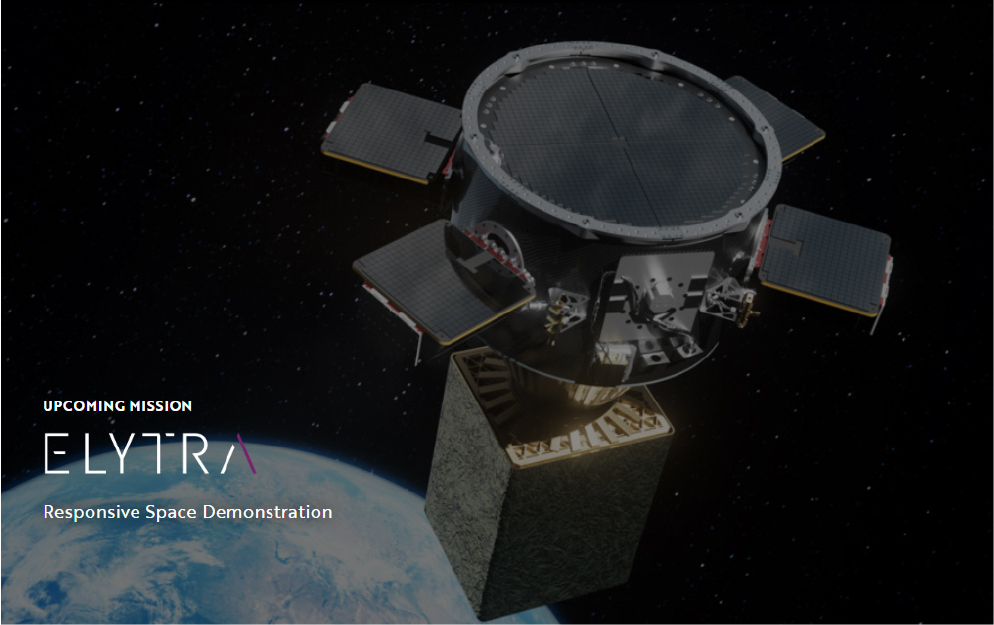
・ AI Technology Characteristics and Purpose: Firefly Aerospace supports real-time data processing and decision-making in orbit through its Elytra satellite computing platform, utilizing autonomous mission management technology for space domain awareness and anomaly detection. In collaboration with Klepsydra Technologies, Firefly is testing AI navigation algorithms for processing sensor data, addressing bandwidth issues in space communications through efficient data management.
・ Technology Significance: This innovative AI technology and autonomous systems enhance the efficiency of space exploration and data management capabilities, while Firefly Aerospace demonstrates technical leadership in the development of small and medium launch vehicles (Fig. 11).
4.2.4. [Italy] D-Orbit Inc.
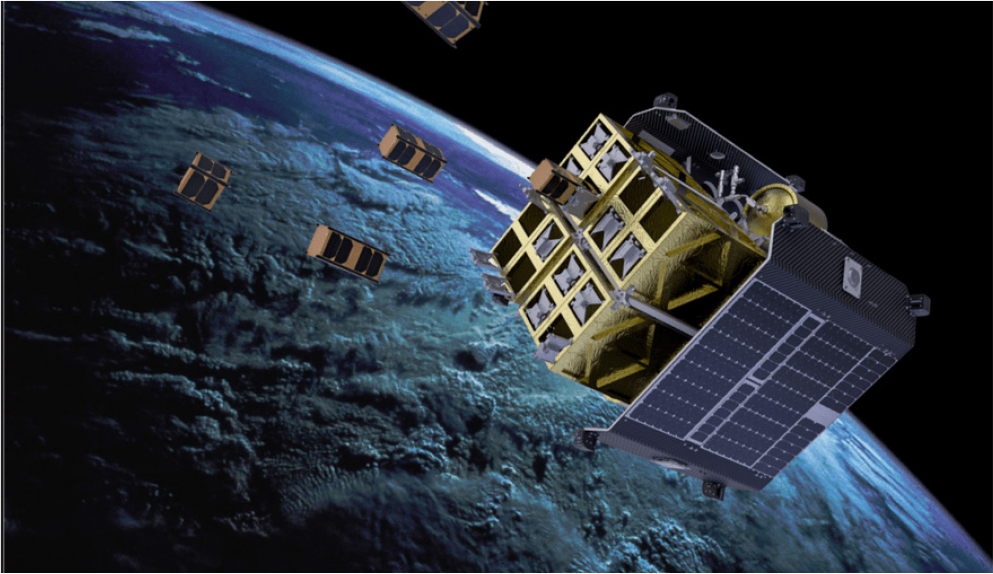
・ AI Technology Characteristics and Purpose: D-Orbit Inc. uses its ION Satellite Carrier, an orbital transfer vehicle, to efficiently move satellites into designated orbits and support sustainable space operations. In collaboration with SkyServe STORM, D-Orbit utilizes AI-based geospatial analysis for real-time image interpretation, processing data directly in space to enhance operational efficiency.
・ Technology Significance: By innovating satellite deployment and in-orbit operations, D-Orbit supports various applications such as environmental monitoring and disaster response. The technology strengthens satellite operation efficiency and sustainability through advanced data processing and analysis (Fig. 12).
4.2.5. [U.S.] Astrobotic Technology Inc.
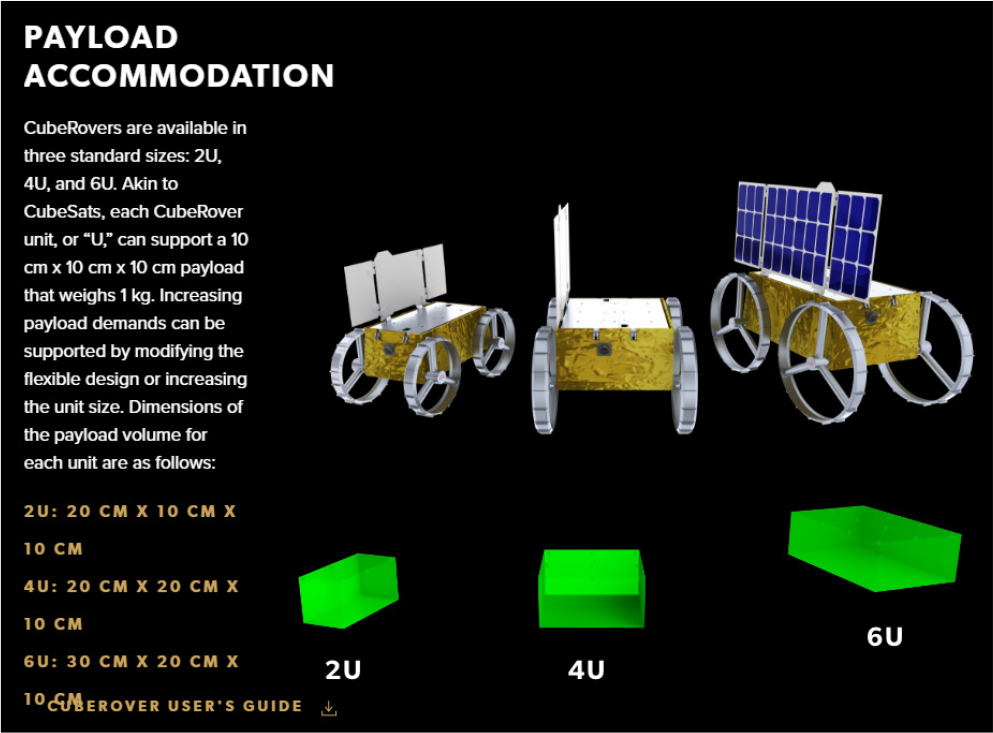
・ AI Technology Characteristics and Purpose: Astrobotic Technology utilizes AI-controlled CubeRover technology to support autonomous navigation and exploration on the Moon’s surface. With the Spacefarer technology, the rover can classify terrain and determine safe driving paths. Astrobotic also supports NASA’s Artemis program and focuses on improving robotic systems for future missions.
・ Technology Significance: This technology enables cost-effective lunar exploration, enhancing space accessibility, and establishing Astrobotic as a major player in the commercial space exploration market. Through innovation in robotic technologies, Astrobotic is expanding the possibilities for future planetary exploration (Fig. 13).
4.2.6. [U.S.] Slingshot Aerospace Inc.
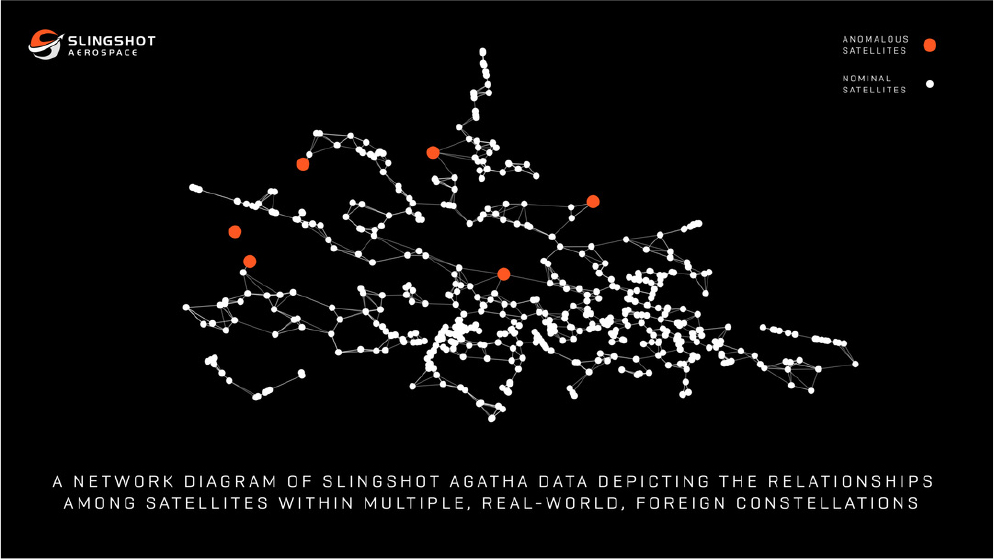
・ AI Technology Characteristics and Purpose: Slingshot Aerospace provides space situational awareness and situational intelligence solutions based on satellite and launch vehicle databases. The company develops AI-based satellite tracking and situational awareness solutions and collaborates with DARPA to enhance satellite anomaly detection and improve situational awareness in large satellite constellations using the Agatha AI system. With advanced data analysis technologies, including reinforcement learning, Slingshot predicts satellite behavior and intentions, supporting both government and commercial missions through an integrated platform and consolidating various data sources to provide comprehensive space situational information.
・ Technology Significance: This technology improves the accuracy and efficiency of space situational awareness, strengthens decision-making for both government and commercial sectors, and contributes to creating a sustainable space operating environment (Fig. 14).
4.2.7. [Ireland] Ubotica Technologies Ltd.
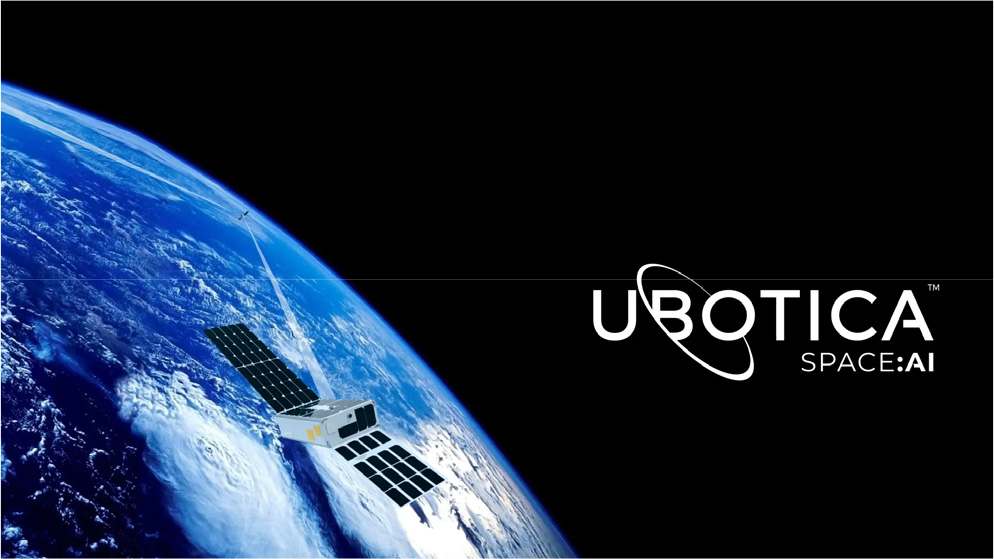
・ AI Technology Characteristics and Purpose: Ubotica Technologies enhances real-time data processing and analysis capabilities in the space industry through machine learning and computer vision solutions. The SPACE:AI platform is an innovative solution for onboard image processing, leading the way in AI applications for space exploration. The CogniSAT-6 satellite supports real-time object analysis and identification, and through collaboration with Comsat Architects, the company integrates communication systems and AI to provide immediate Earth observation insights.
・ Technology Significance: This technology improves autonomous operations and decision-making capabilities, maximizing the efficiency of satellite operations. It also supports data-driven insights in space exploration and various applications, contributing to the advancement of space technologies (Fig. 15).
4.2.8. [China] STAR.VISION (Zhiwei’er Space Technology)
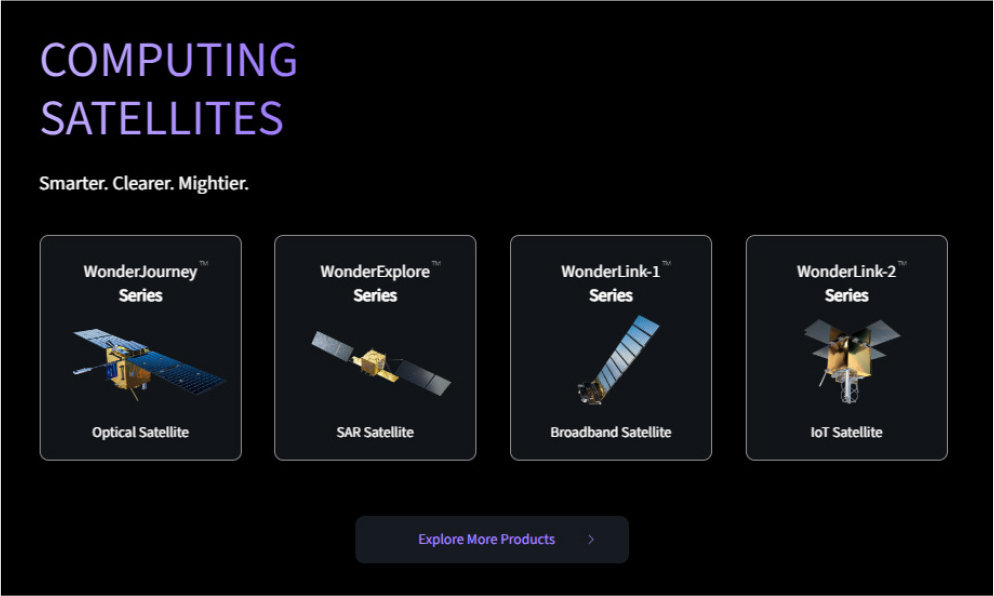
・ AI Technology Characteristics and Purpose: STAR.VISION designs and manufactures smart satellites utilizing AI, enabling satellites to autonomously learn in orbit and apply the latest algorithms via Over-The-Air (OTA) updates. The AI processing platform onboard the satellites allows for real-time data processing and the collection and analysis of data directly in space. Using advanced vision AI algorithms such as F-R-CNN and YOLO, STAR.VISION supports autonomous learning and real-time data processing.
・ Technology Significance: Through real-time data processing and autonomous learning technology, STAR.VISION overcomes the limitations of traditional ground-based data analysis. The company gained international recognition for its AI capabilities by showcasing its achievements at the IEEE CVPR 2022 conference, positioning itself as a leader of space industry innovation (Fig. 16).
4.2.9. [Australia] Fleet Space Technologies
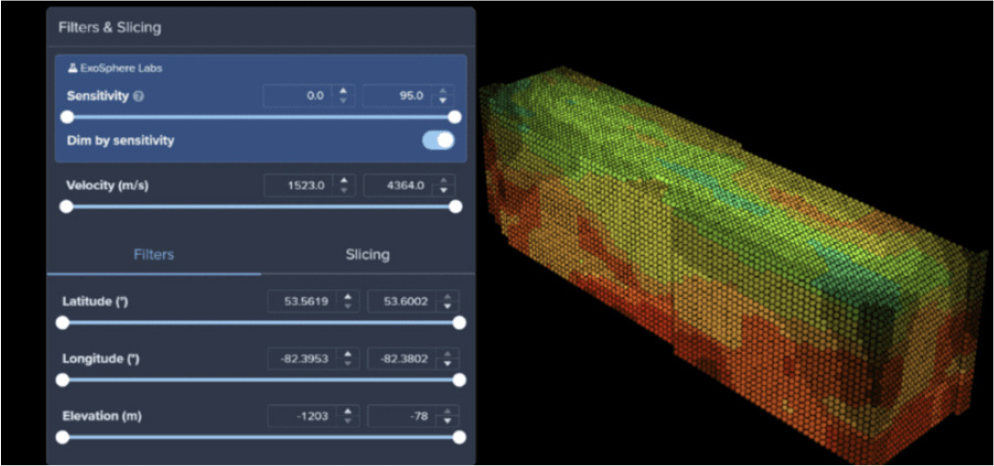
・ AI Technology Characteristics and Purpose: Fleet Space Technologies is leading innovation in the mineral exploration sector by combining AI with space technology. The ExoSphere platform uses satellite connectivity and AI to provide real-time 3D imaging up to 4 km underground, while an AI-based target recommendation system quickly identifies areas with high mineralization potential. Additionally, the EITL framework optimizes collaboration between explorers and AI, enhancing the capabilities of on-site exploration teams.
・ Technology Significance: By leveraging advanced AI technology and space data analysis, Fleet Space Technologies increases the speed and accuracy of mineral exploration, setting new standards in the resource exploration industry and driving innovation (Fig. 17).
4.2.10. [U.S.] Wallaroo.AI Labs
・ AI Technology Characteristics and Purpose: Wallaroo.AI offers an AI/ML platform specifically designed for Space Domain Awareness (SDA). The company’s core technology features a scalable AI system capable of stable operation in extreme space environments. It enables large-scale deployment, management, and monitoring of AI models for real-time detection and identification of space objects. The infrastructure supports the automation of prediction, detection, tracking, and identification of space systems, aimed at supporting rapid decision-making in the space security sector. Additionally, the technology uses simplified machine learning operations, particularly in edge computing environments, to optimize efficiency [32].
・ Technology Significance: Wallaroo.AI’s technology in the Space Domain Awareness (SDA) sector is crucial for strengthening space security capabilities. Through the US Space Force SDA TAP Lab Apollo Accelerator program, Wallaroo’s AI systems automate the identification of space objects and the determination of potential threats. This application of AI in space security presents a new paradigm, demonstrating how advanced AI technologies from private companies can directly contribute to enhancing national space security capabilities (Fig. 18).

4.2.11. [U.S.] LEOLABS
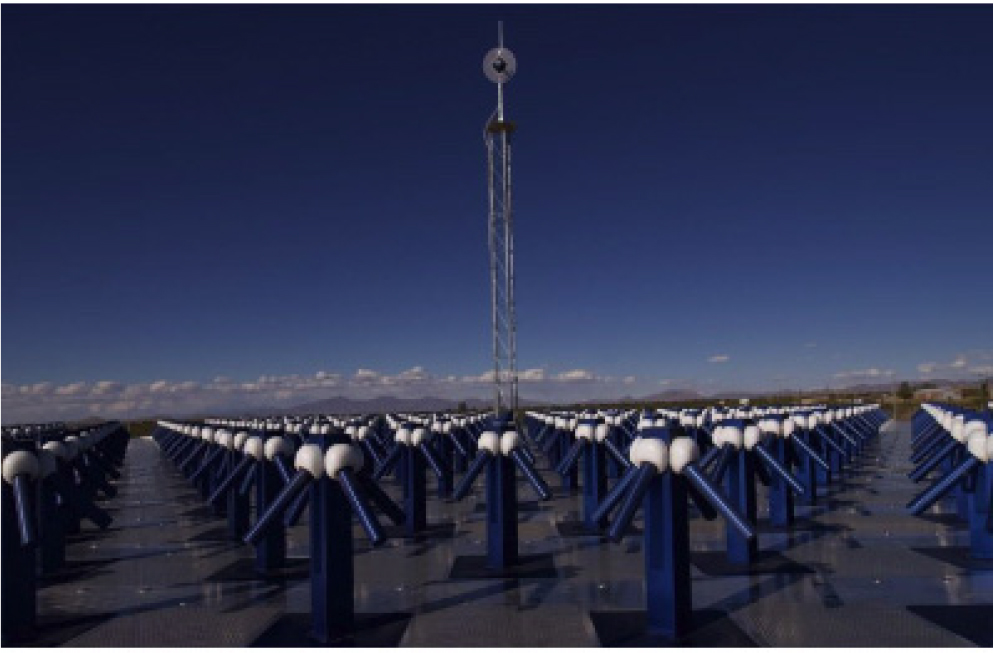
・ AI Technology Characteristics and Purpose: LEOLABS offers Persistent Orbital Intelligence through AI-powered analytics combined with a radar network established at multiple stations. The company utilizes AI-based threat analysis technology to detect and identify threats in real time, particularly in Low Earth Orbit (LEO). Its infrastructure for data collection and processing supports this analysis. In 2024, LEOLABS plans to deploy a next-generation UHF radar and refine AI models to track and manage over 10,000 space objects, enabling more precise threat prediction. Furthermore, the company aims to enhance the scope and accuracy of its space monitoring network by integrating the newly developed next-generation S-band radar system through collaboration with the U.S. Air Force’s AFWERX SBIR program.
・ Technology Significance: LEOLABS’ AI utilization is crucial for ensuring the safety of space assets and supporting more effective military and commercial space operations. AI-based threat analysis and real-time monitoring help governments and commercial operators quickly respond to the rapidly changing space environment, minimizing risks from collisions or hostile actions. Additionally, in the Commercial Space Traffic Management domain, AI technology enables faster and more accurate tracking and integration of orbital objects compared to traditional government-led systems, presenting new possibilities for space traffic management through public-private collaboration (Fig. 19).
Moreover, numerous space enterprises are incorporating AI technologies into their operations, with a summary of key companies presented in Table 14.
4.3. Major Space AI Technologies in South Korea
In 2023, South Korea ranked 11th among major countries in the artificial intelligence (AI)-based space exploration market, with an estimated market size of approximately 23.7 million USD. The development of this sector is significantly influenced by government policies that promote AI-driven advancements in space technology, as well as by strategic investments in research and development (R&D) within the defense sector. These factors collectively contribute to the expansion and sophistication of AI applications in space exploration.
A notable trend in South Korea’s space industry is the increasing participation of established defense industry corporations in space-related ventures. These companies are leveraging their existing technological expertise and applying state-of-the-art AI technologies to accelerate advancements in space research and development. Concurrently, startup enterprises specializing in space technology are actively integrating innovative AI-driven solutions, fostering a dynamic and competitive ecosystem that enhances the country’s technological capabilities in this domain.
Although there is a growing expectation regarding the potential of AI applications in South Korea’s space industry, a considerable proportion of current AI-driven efforts remain concentrated on security-related applications. The predominant business models revolve around data analysis, particularly in satellite image interpretation, which serves as a critical tool for national security and environmental monitoring. However, recent developments indicate an increasing emphasis on advanced AI-driven technologies beyond conventional applications. Emerging areas of interest include the development of AI-powered space processors, in-orbit AI technology demonstrations, AI-assisted space propulsion systems, and the integration of generative AI techniques—such as large language models—into image analysis and other space-related data processing tasks.
Furthermore, the demand for space AI technologies is on the rise, as evidenced by ongoing generative AI-based research initiatives at the Korea Aerospace Research Institute (KARI) under the Korea Space Agency (KASA). In addition to national research efforts, local governments are also engaging in practical applications of AI-driven space technologies, particularly in the utilization of satellite data for urban planning, disaster management, and environmental monitoring.
These efforts highlight the increasing recognition of AI as a tool which transforms the space industry in South Korea and its potential to enhance both commercial and governmental space initiatives (Table 9).
TABLE 9.
Major Space AI Companies in South Korea
4.4. Space AI Technology
Space AI technologies are classified into several domains based on NASA’s AI applications for space exploration [35], such as remote sensing, guidance and control, mission planning, communications, computing devices, interactive support, and 3D printing manufacturing. A comparison was made between these advanced technologies and South Korea’s current capabilities.
Table 10 systematically analyzes and compares the development goals and technological classifications of AI in space, detailing the specific objectives of AI technologies and the required technical approaches for achieving them. The table provides a comparison of South Korea’s space AI technologies with those of leading space nations, offering insights into the current status of space AI in South Korea. This analysis primarily serves to assess the state of South Korea’s space AI capabilities relative to international advancements.
TABLE 10.
AI Technology Levels by Space Sector Classification
The AI technologies proposed by NASA Goddard have been reclassified, with some advanced technologies added, resulting in seven major objectives. The first goal is to overcome the constraints of data transmission generated by remote sensing by selectively processing the most important parts of the observed data for efficient handling. In the remote sensing domain, space industry development has long been driven by security needs, and with the introduction of recent AI technologies, Data Triage technology allows for real-time data processing in tasks such as remote monitoring and natural disaster detection. Currently, the technology is at Technology Readiness Level (TRL) 6-7, having reached the phase of space prototype evaluation, while South Korea is at TRL 2-3, in the concept validation and experimental stage. However, in the fields of remote monitoring and reconnaissance, South Korea, in a state of ceasefire, puts much effort to automate the analysis process through AI technologies applied to human-driven tasks.
The second goal is to autonomously adjust the spacecraft’s trajectory and enable efficient mission execution through guidance, navigation, and control. This technology is becoming increasingly significant in the future space environment, where ground intervention may be difficult or inefficient. AI is expected to enable automated space infrastructure systems, such as space debris removal, orbit prediction, collision avoidance, and autonomous flight. These advancements are anticipated to significantly enhance safety in space missions. There have already been successful examples of semi-automated systems, such as rovers, landers, and rendezvous operations. Recently, research on AI technologies based on deep learning has been active, and in some areas, the technology has reached TRL 4-5, with basic performance already verified. However, South Korea’s technology is still at TRL 2-3, with initial development stages being prepared through projects like the Korean lunar lander and space debris collection.
The third goal is to maximize the efficiency of mission planning and execution. In complex, with multi-spacecraft, multi-mission scenarios, AI is expected to optimize resources and schedules, allowing for the effective management of multiple satellites and exploration probes. This can be achieved by maximizing efficiency through satellite collaboration and distributed data sharing in space. This technology has already been commercialized to TRL 7 by space-leading countries with experience in interplanetary exploration and private companies with extensive experience operating large satellite constellations. However, South Korea, with fewer than 10 national satellites to date, recognizes the need to enhance its capabilities for managing a growing number of satellites in the long term.
The fourth goal is to improve communication efficiency and enhance security. By utilizing AI, the technology can dynamically select and adjust frequency bands or bandwidth in real-time to optimize data transmission speeds and enhance security through encryption. This technology is currently in the concept verification stage (TRL 2-3), but it is expected to be one of the fastest to achieve space demonstration.
The fifth goal is to implement AI-based computing and intelligence in space environments. Spacecraft need hardware solutions that enable AI technology to autonomously diagnose their status, make decisions, and recover from system failures, providing a highly reliable environment.
In space-leading countries, this technology has reached TRL 6-7 and is in the phase of practical space use, while South Korea’s technology remain at TRL 4-5, with basic performance verification of AI processors compared to the commercial processors.
The sixth objective focuses on supporting space-related decision-making through generative AI technology. This technology is crucial in situations where communication with Earth is disrupted, as it allows spacecraft to autonomously make judgments and decisions. It is considered an essential element for the high autonomy required in unmanned rovers and spacecraft. Due to hardware resource limitations, this technology is being validated in computing environments with more flexibility, such as the space stations, and in South Korea, this is currently at a conceptual stage.
The seventh and final objective is to optimize space design and manufacturing using 3D printing technology. By learning from physical constraints and manufacturing process data, 3D printing enables customized designs. While international technologies have reached TRL 5-6 and are close to commercialization, South Korea’s technological level remains at TRL 2-3, still in its early stages.
A comprehensive assessment of the current state of AI technologies in the space sector reveals that leading space-faring nations have made significant and proactive advancements in AI adoption across a wide range of applications. These countries have successfully integrated AI into mission-critical systems, enhancing automation, operational efficiency, and data-driven decision-making in space exploration. In contrast, South Korea faces a discernible technological gap, with most of its AI-driven space initiatives still confined to the conceptual validation stage. This disparity highlights the need for the establishment of a more conducive research and development ecosystem, along with strategic investments and policy support, to accelerate AI adoption in South Korea’s space industry. By fostering a robust technological infrastructure and promoting interdisciplinary collaboration, South Korea can enhance its competitiveness and contribute more effectively to the rapidly evolving global space AI landscape (Table 11).
TABLE 11.
Features of GEOINT [36]
5. AI-DRIVEN ADVANCEMENTS IN SPACE SECURITY APPLICATIONS
5.1. GEOINT
5.1.1. GEOINT system
GEOINT, led by the U.S. Department of Defense, the National Geospatial-Intelligence Agency (NGA), and the National Reconnaissance Office (NRO), is a system designed to analyze geospatial data by integrating various data layers. It utilizes data collected from multiple sources, such as satellites, drones, radar, electronic signals (ELINT), and human intelligence (HUMINT), to support strategic decision-making. GEOINT is designed to answer questions like “Where am I?”, “Where are the enemies?”, and “What is the impact?” (Fig. 20) [37].
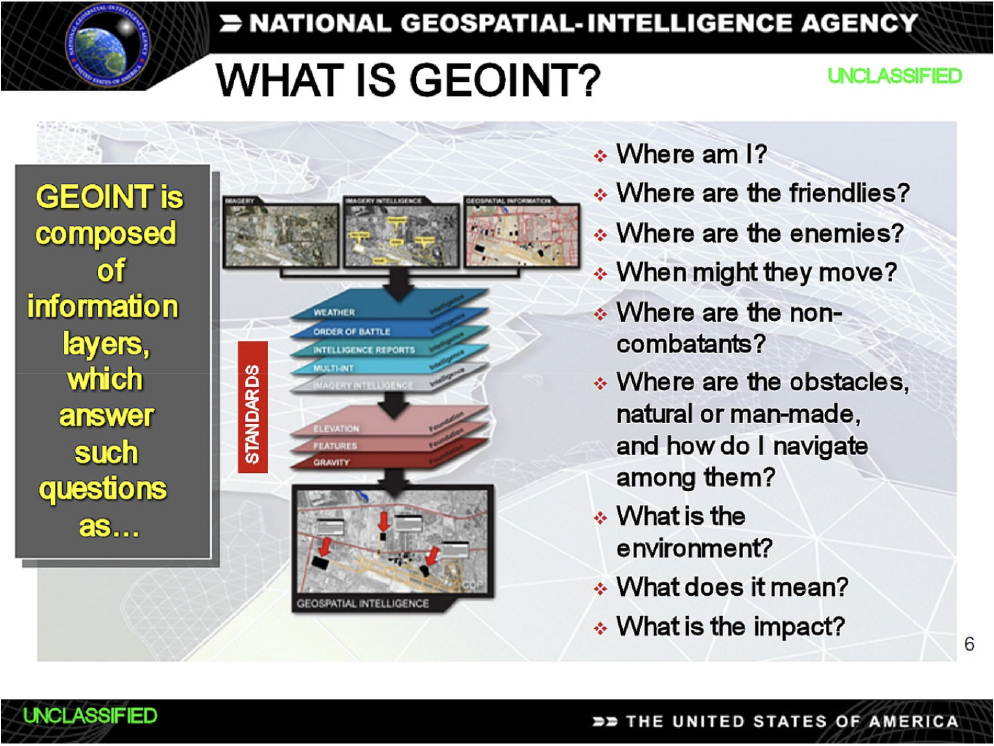
This system leverages cloud-based computing and distributed processing systems to quickly handle large-scale data and uses artificial intelligence (AI) and machine learning technologies to support object detection, change tracking, threat analysis, and more, enhancing the accuracy and speed of data analysis. Additionally, it functions as a comprehensive system providing strategic data in various fields, including military decision-making, disaster response, and environmental monitoring.
One of GEOINT’s key strengths is its ability to merge commercial satellite data with military data, improving data resolution and reliability. Collaborations with commercial satellite companies such as Maxar Technologies allow real-time use of high-resolution imagery for military purposes, enabling continuous monitoring and evaluation of global military bases and geographical activities. GEOINT has proven to be a powerful system for supporting strategic decisions across military, disaster response, environmental surveillance, and other sectors by integrating and analyzing these layers of information.
5.1.2. Successful Factors of GEOINT
The success of GEOINT stems from its ability to integrate various layers of information and perform comprehensive analysis. GEOINT includes data layers such as weather, order of battle, and terrain information (elevation, features), enabling it to predict and analyze military and environmental changes. By integrating data collected from various sources with AI algorithms and machine learning technologies, GEOINT quickly detects military movements or geographical changes. This real-time response capability of GEOINT answers complex questions such as “Where are the obstacles?” and “When might they move?”, rapidly supporting military decision-making. Additionally, GEOINT leverages high-performance computing infrastructure and cloud-based processing technologies to efficiently handle large-scale data.
Data fusion software and edge computing technologies analyze data on-site, reducing transmission times and enhancing analysis speed. These technical strengths significantly contribute to GEOINT’s ability to provide real-time information in global operations, strengthening strategic response capabilities.
5.2 MAVEN
5.2.1. MAVEN Project
MAVEN (Project Maven) is an artificial intelligence (AI)- based project initiated by the U.S. Department of Defense (DoD) in 2017, aiming on efficiently analyzing GEOINT (Geospatial Intelligence) data to support military operations. The project was designed to provide quick and accurate information necessary for military operations, integrating and centrally managing large-scale data collected from various platforms such as drones, satellites, and surveillance cameras to maximize data utilization.
The core AI-based analysis module of MAVEN utilizes advanced machine learning algorithms such as pattern recognition, object detection, and behavior prediction to analyze data in real-time and extract critical information needed for military operations. These capabilities overcome the time constraints inherent in traditional manual analysis methods, significantly enhancing the speed and efficiency of operations.
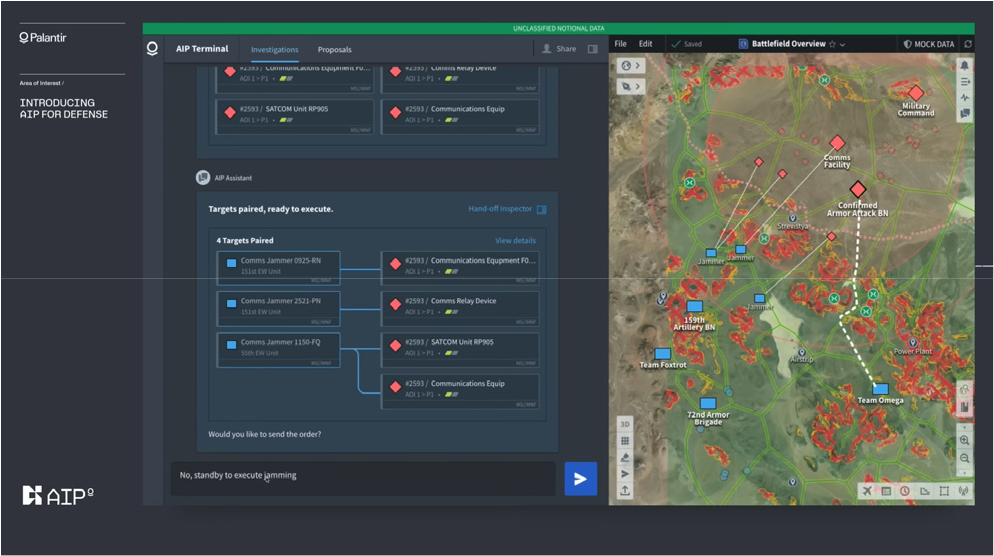
Furthermore, MAVEN provides data accessibility and real-time processing capabilities, allowing operational commanders to effectively utilize analysis results through a user interface (UI) designed to intuitively grasp the situation. This dramatically improves the speed of information transmission in combat situations, playing a crucial role in supporting military decision-making (Table 12, Fig. 21).
TABLE 12.
Maven Features [38]
5.2.2. Successful Factors of MAVEN
The MAVEN project has been successfully operated by driving innovation in military intelligence analysis and decision-making through the combination of AI and GEOINT (Geospatial Intelligence). The success factors of this project can be derived from four aspects: technical, operational, organizational, and operational efficiency.
First, the key technical success factor is the introduction of AI and machine learning. MAVEN automatically analyzes drone and satellite imagery to detect objects and identify anomalous patterns, significantly improving analysis speed and accuracy. Additionally, by processing vast amounts of unstructured data in real time using AI algorithms, MAVEN reduces the burden on human analysts, providing quick analysis results and maximizing the efficiency of information utilization. Furthermore, MAVEN offers a scalable environment to process large-scale data through cloud-based infrastructure, ensuring global data accessibility [40].
The operational success factor is supporting quick decision-making through real-time data analysis. MAVEN detects hostile movements early and enables operational superiority.
Moreover, the effective integration and application of MAVEN technology in various military equipment and software maximized operational flexibility and efficiency. In addition, by providing precise information required for military decision-making through object recognition, tracking movement paths, and detecting changes, MAVEN increased the likelihood of successful operations.
The organizational success factor lies in the strong support and collaboration from the U.S. Department of Defense. MAVEN was systematically operated under the collaboration of the Department of Defense’s Algorithm Warfare Cross-Functional Team (AWCFT) and the National Geospatial-Intelligence Agency (NGA), with continuous funding and resource allocation. Additionally, major technology companies, including Palantir Technologies, made significant contributions in data integration, analysis, visualization, and cloud infrastructure development, and their technological expertise played a crucial role in achieving MAVEN’s goals [41].
Finally, in terms of operational efficiency, MAVEN enabled quick and accurate responses in operational scenarios through automatic target identification, activity pattern analysis, and real-time data processing. By utilizing AI technology, MAVEN automatically detects and identifies military targets, analyzes anomalous patterns and threats, and establishes an early response system. Moreover, by processing vast amounts of imagery data in real-time, MAVEN enhanced the speed of military operation responses.
In this way, MAVEN has achieved remarkable results in military intelligence analysis and decision-making, effectively supporting strategic military activities, based on technological innovation, operational efficiency, organizational support, and operational effectiveness.
6. REALIZATION OF SPACE SECURITY AI TECHNOLOGIES
6.1. Policy Direction of South Korea
As the significance of space and AI-based security technologies grows, this analysis examines both the threats and opportunities while focusing on policy responses from different nations regarding space AI. AI is transforming the space industry, particularly in data analysis, automation, and satellite operations, with a notable impact on security sectors. Space security, integral to national defense, leverages AI for military space forces, system defense, and cybersecurity, addressing emerging threats.
Countries like the U.S., China, the EU, and Japan have introduced AI in space, each with distinct strategies. South Korea, through its government and aerospace institutions, is fostering AI technology development to maintain global competitiveness. AI’s role in space security includes satellite operations and image analysis, such as large-scale satellite constellations and GEOINT. South Korea can adopt models like GEOINT and MAVEN, emphasizing intergovernmental collaboration, to develop its own integrated national system. Participating in international research and tech licensing can help bridge the technological gap. Furthermore, analyzing key companies in space AI offers insights into their priorities and strategies.
As global powers vie for AI leadership, South Korea must implement a ‘National AI Master Plan’ to boost industry and create a predictable research support framework.
Specific recommendations for South Korea:
・ Integrate space AI strategies into the “Basic Plan for Space Development,” laying the groundwork for relevant research.
・ Like NASA, establish AI application guidelines and ethical standards for AI research at institutions such as KASA, KARI, and KASI.
・ KASA should allocate resources for AI research, propose AI validation satellites, and foster sustainable research through cross-departmental integration in security, defense, and diplomacy.
Given AI’s rapid evolution and the fluctuating demand for space security, enhanced public-private collaboration is vital. A platform combining private innovation and public stability should be created, with government support accelerating technological development.
To advance space security AI, South Korea should build specialized AI research hubs focused on space security and establish testbeds for technology validation.
6.2. Realization Plan for South Korea
South Korea’s space security AI technologies are still in the conceptual phase, reflecting a significant technological gap compared to leading nations. Core technologies like data triage, autonomous orbit control, and mission planning are underdeveloped due to insufficient national strategic focus, limited R&D resources, and fragmented public-private collaboration.
The government should prioritize AI technology research for space security, designating it as a critical national technology with long-term funding. R&D resources should focus on high-priority areas like data triage and autonomous orbit control, while expanding satellite data analysis applications.
Key security areas for AI application include:
・ Space Disaster Management: Leverage AI technologies from private sectors for comprehensive disaster prediction and response.
・ Space Military Defense: Develop AI-based detection and defense systems using existing domestic technologies.
・ Satellite Surveillance: Monitor satellite orbits in real-time, automatically adjusting to prevent collisions.
・ Resource Management: Optimize mission resources for sustainability in space.
・ Threat Detection and Response: Automate detection and responses to threats like debris, foreign objects, and cyberattacks.
To expand AI applications, South Korea should:
・ Improve data collection and processing capabilities, integrating multimodal data such as orbit, environment, and communication signals.
・ Create high-performance computing hubs in low Earth orbit to process data efficiently, reducing transmission costs and enabling real-time decision-making.
・ Develop real-time threat detection systems with high-speed computing and network connectivity.
6.3. Considerations for the Application of Space Security AI Technologies in South Korea
For effective use of multimodal data-based AI in space security, several governance considerations are necessary:
・ AI Model Reliability: Ensure AI decisions in crises are trusted by humans.
・ AI Autonomy: Clearly define AI autonomy levels, balancing human control.
・ Open Development Structure: Adopt open-source development and promote data sharing among stakeholders.
・ Big Data Governance: Establish robust governance for managing and securing space-related big data, ensuring transparency and ethical AI use.
・ Security Tracking Management: Track and manage data post-utilization to maintain transparency.
・ Human-AI Collaboration: Develop systems for smooth AI-human interaction, allowing AI to intervene based on human needs without disrupting ongoing tasks.
International cooperation is crucial, especially in long-distance space exploration. Collaborations with technologically advanced nations, such as NASA JPL’s experience with AI-based beacon tone analysis, are essential. These collaborations can optimize task distribution, detect anomalies in real-time, and enhance mission flexibility.
7. CONCLUSION
The timely application of AI technology in the space security field is emerging as a key way to respond to the growing threats of today. Recently, there has been an increase in physical and cyberattacks targeting space communication infrastructure, further emphasizing the need for the timely application of AI technology.
AI technology has significant potential to analyze vast amounts of data collected in real-time from various sensors and satellites, enabling swift detection and response to new threats. This can help prevent potential problems or vulnerabilities in space security, allowing for efficient threat management and response. The data used as the fuel for AI, space data, presents challenges in terms of its collection over vast areas and the need for system-level governance in the information utilization platform, such as data refinement and learning pipelines.
The proper utilization of AI technology can also contribute to the establishment of national space security strategies. Automated threat detection systems and autonomous defense systems based on AI will play a key role in leading the future of space security. In particular, issues related to workforce shortages due to population decline are not unique to the space security sector, so there is a need to consider the transformation of space security operations into efficient and automated systems with AI support or cooperation. Therefore, it is expected that research into the timely application of AI technology, along with the preparation for its long-term development, will begin based on the strategic needs of space security.